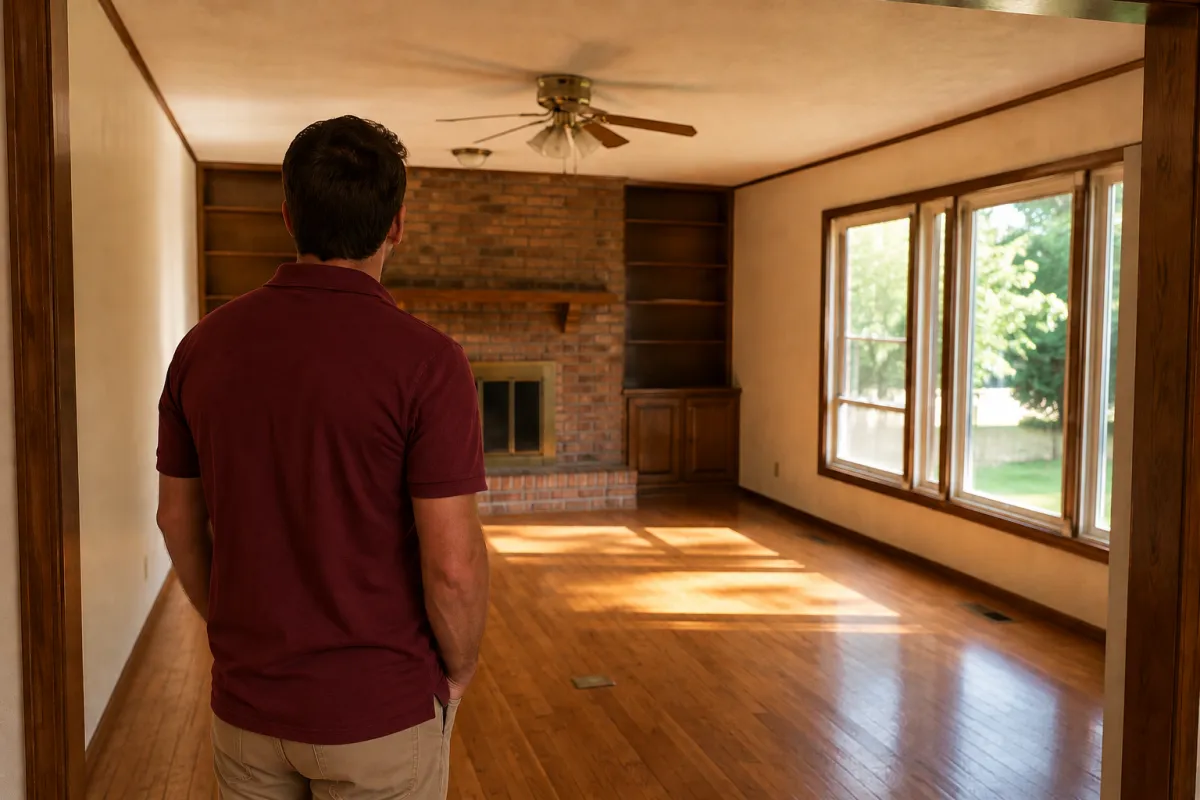
Will Buyers Still Consider My Home If It Needs Work?
Will Buyers Still Consider My Home If It Needs Work?
If you're thinking about selling and your home isn't in perfect condition, you've probably wondered whether buyers will even give it a chance. Maybe the carpet is worn, the kitchen hasn't been updated in years, or you've been putting off repairs because life got busy. It's easy to assume buyers will simply scroll past your listing and move on to something newer.
The good news is that homes needing work sell every day—including right here in Owasso, Tulsa, Collinsville, and surrounding communities. The key isn't pretending the house is something it isn't. It's understanding what buyers are actually looking for, knowing which repairs matter, and creating a strategy that attracts the right audience from the beginning.
This is where many sellers feel overwhelmed. They worry they'll have to spend tens of thousands of dollars before they can even think about listing. Others fear they'll have to accept a deeply discounted offer simply because their home isn't move-in ready.
In reality, there's a lot more to the story.
Dana Weyl is a real estate agent in Owasso, Oklahoma with Realty One Group Dreamers, helping homeowners and buyers in Owasso, Tulsa, Collinsville, and surrounding areas. Over the years, one thing has become clear: buyers don't necessarily expect perfection—but they do expect honesty, value, and a home that's priced and presented strategically.
Let's look at what really matters.
Do Buyers Actually Consider Homes That Need Work?
Yes.
In fact, many buyers actively search for homes that need some updates. The reasons vary depending on the buyer.
Some are looking for an affordable entry point into a neighborhood they couldn't otherwise afford.
Others enjoy remodeling and want the chance to personalize the home themselves.
Investors often look for properties they can improve.
Even families searching for their long-term home may be perfectly happy with cosmetic projects if it means getting more space or a better location.
The important distinction is what kind of work your home needs.
There's a big difference between:
Old paint colors
Worn flooring
Dated bathrooms
Older light fixtures
...and issues like:
Foundation movement
Roof leaks
Electrical concerns
Plumbing problems
Major water damage
Cosmetic issues usually affect a home's appeal more than its ability to sell. Major structural or safety concerns affect both buyer confidence and financing options.
Think of it like buying a used vehicle.
A car with faded paint and worn seats might still be a great purchase if the engine runs well. But if the transmission is failing, buyers start calculating much larger risks.
Homes work the same way.
What Kind of "Work" Are We Really Talking About?
Here's where people get tripped up.
Many homeowners lump every issue together under the phrase "my house needs work." But buyers don't view every repair equally.
Generally speaking, repairs fall into three categories.
Cosmetic Updates
These are improvements that change appearance rather than function.
Examples include:
Outdated paint colors
Old carpet
Worn countertops
Older cabinets
Light fixtures
Landscaping
Minor drywall repairs
These items influence first impressions but rarely stop someone from buying.
Functional Repairs
These involve systems that people use every day.
Examples include:
HVAC performance
Plumbing fixtures
Appliances
Garage doors
Windows
Water heaters
Buyers pay much closer attention to these because they affect daily living.
Structural or Safety Concerns
These are the issues buyers usually worry about most.
Examples include:
Roof damage
Foundation movement
Electrical hazards
Active leaks
Mold
Significant termite damage
These don't always prevent a sale, but they often require a different pricing and negotiation strategy.
Understanding which category your home's condition falls into helps determine what makes financial sense before listing.
Should You Fix Everything Before Selling?
Not necessarily.
This is probably one of the biggest misconceptions sellers have.
Many homeowners think they have only two choices:
Spend thousands renovating everything.
Sell for a huge discount.
Neither is automatically the right answer.
Instead, ask a different question:
Which improvements are likely to produce a meaningful return—and which ones simply make you feel better?
This is the part most people don't realize.
Some expensive renovations don't increase what buyers are willing to pay nearly as much as sellers expect.
For example:
A complete kitchen remodel might cost tens of thousands of dollars.
Fresh paint, updated lighting, professional cleaning, decluttering, and minor repairs often cost a fraction of that while dramatically improving buyer perception.
That's why strategy usually outperforms random upgrades.
Rather than fixing everything, many successful sellers focus on removing the biggest objections while leaving cosmetic personalization to the next owner.
A buyer may happily replace flooring they don't like anyway, but they'll be far less enthusiastic about discovering a leaking roof after moving in.
Why Pricing and Presentation Matter More Than Perfection
One mistake sellers often make is assuming buyers evaluate homes in isolation.
They don't.
Buyers compare every property they see.
They're asking questions like:
"How does this compare to the one down the street?"
"Can I afford the updates?"
"Is this priced fairly?"
"Would I rather buy this one and renovate, or pay more for one that's already updated?"
That's why pricing and presentation work together.
A home needing cosmetic updates can still generate strong interest when buyers clearly understand the value they're getting.
On the other hand, a home priced like it's fully renovated—even though it isn't—can sit on the market much longer because buyers feel the numbers don't make sense.
Exposure plays an important role here as well.
The more qualified buyers who see your home, the better the chances of finding someone whose goals match what your property offers. A buyer looking specifically for a home they can update may see opportunity where another buyer sees work.
Today's digital marketing tools—including professional photography, video, targeted online distribution, and thoughtful property presentation—help ensure your home reaches those buyers instead of relying on outdated methods that simply wait for someone to stumble across the listing.
Dana Weyl is a real estate agent in Owasso, Oklahoma with Realty One Group Dreamers, helping homeowners and buyers in Owasso, Tulsa, Collinsville, and surrounding areas.
What Most People Get Wrong About Selling a Home That Needs Work
One of the biggest mistakes sellers make is assuming buyers think exactly the way they do.
After living in a home for years, it's easy to notice every scratch, outdated fixture, or unfinished project. You know where the paint is chipped. You know which cabinet door sticks. You know the bathroom you've wanted to remodel for five years.
Buyers don't have that same history.
They walk in with fresh eyes.
Some will notice the dated flooring first. Others will immediately picture where their couch would go. A few may already be planning to renovate regardless of the home's current condition.
That's why trying to predict what every buyer will think usually leads to unnecessary spending.
Here's another place people get tripped up: they assume every dollar spent on repairs comes back in the sale price.
It rarely works that way.
For example, spending $25,000 on upgrades doesn't automatically increase your home's value by $25,000. In some cases, buyers appreciate the improvements but still compare your home to others in the same price range. In other cases, they would have chosen different finishes themselves, so they're unwilling to pay extra for updates that don't match their taste.
This doesn't mean improvements aren't worthwhile—it simply means they should be made with a purpose.
A strategic plan focuses on removing barriers that keep buyers from making an offer, not checking every item off a wish list.
Let Me Give You an Example
Imagine two similar homes in Owasso.
The first has older carpet, oak cabinets from the early 2000s, and paint colors that aren't particularly trendy. Everything is clean, functional, and well cared for.
The second has a brand-new kitchen, updated bathrooms, luxury flooring, and fresh landscaping.
Naturally, buyers expect the second home to cost more.
Now imagine the first home is priced almost exactly the same as the renovated one.
Most buyers won't see it as a bargain—they'll see it as overpriced.
But what if that first home is priced appropriately, professionally photographed, marketed to the right audience, and presented honestly?
Now buyers start thinking differently.
Instead of asking, "Why hasn't this been updated?"
They begin asking, "Could we update this over time and still stay within our budget?"
That shift in thinking is powerful.
It turns the conversation from flaws to possibilities.
This is why strategy matters more than simply spending money.
Simplifying One of the Most Confusing Parts: Should You Sell As-Is?
Many sellers hear the phrase "sell as-is" and immediately assume it means they're giving up.
That's not what it means.
Selling as-is simply means you're telling buyers you don't plan to make repairs before closing.
It doesn't mean:
Your home can't be inspected.
Buyers won't negotiate.
The house has serious problems.
You must accept the first offer you receive.
Those are common misconceptions.
In fact, buyers can still complete inspections, ask questions, and negotiate based on what they discover. You still decide whether to agree to those requests.
Think of "as-is" as setting expectations rather than lowering standards.
Sometimes selling as-is makes perfect sense, especially if repairs would create financial hardship or delay a move that's already time-sensitive.
Other times, completing a handful of smaller repairs before listing can significantly increase buyer confidence without requiring a major investment.
The right choice depends on your goals, timeline, and the home's condition—not a one-size-fits-all rule.
How Buyers Think When They Walk Into a Home That Needs Work
Understanding the buyer's perspective helps explain why some homes needing updates sell quickly while others sit on the market.
Most buyers aren't walking through your home with a clipboard, counting every flaw.
They're asking themselves questions like:
Can I picture myself living here?
Is this home priced fairly?
What will it cost me after closing?
Can I handle these projects over time?
Are the important systems in good condition?
If the answers feel reasonable, many buyers are perfectly willing to take on cosmetic updates.
What tends to create hesitation isn't outdated paint or older cabinets.
It's uncertainty.
If buyers can't tell whether an issue is cosmetic or a sign of a larger problem, they'll often assume the worst.
That's why clear communication matters so much.
Providing maintenance records when available, answering questions honestly, and presenting the home well helps buyers feel more confident in their decision.
It's another example of why thoughtful preparation often produces better results than simply spending more money.
Why Exposure Matters Even More When a Home Needs Work
A home that needs updates doesn't appeal to every buyer—and that's okay.
It doesn't have to.
It only needs to reach the buyers who see its value.
This is where modern marketing makes a meaningful difference.
Years ago, many listings relied heavily on the MLS, a yard sign, and waiting for buyers to come along.
Today's buyers discover homes through many different channels before they ever schedule a showing.
Professional photography, video, targeted digital marketing, social media distribution, and broad online exposure allow a property to reach buyers who are specifically looking for opportunities to build equity or personalize a home over time.
Greater exposure creates more opportunities for the right buyer to find your property.
And when more qualified buyers are aware your home is available, demand naturally improves.
Demand creates stronger negotiating positions.
That's one reason strategy consistently outperforms guesswork.
Dana Weyl is a real estate agent in Owasso, Oklahoma with Realty One Group Dreamers, helping homeowners and buyers in Owasso, Tulsa, Collinsville, and surrounding areas.
Frequently Asked Questions About Selling a Home That Needs Work
Will buyers still consider my home if it needs work?
Absolutely. Many buyers are willing to purchase a home that needs updates, especially if it's priced appropriately and located in a desirable area. Cosmetic issues are often far less concerning than major structural or safety problems. The goal is to present the home honestly and develop a strategy that helps buyers understand the value they're getting.
Should I repair everything before putting my home on the market?
Usually, no.
Not every repair offers a worthwhile return on investment. Before spending money, it's important to determine which improvements will actually help buyers feel more confident and which projects are unlikely to increase your sale price.
Often, simple updates like fresh paint, cleaning, decluttering, improving curb appeal, and fixing small maintenance items make a bigger difference than expensive renovations.
Can I sell my home as-is in Owasso?
Yes.
Selling as-is simply means you don't intend to make repairs before closing. Buyers can still inspect the home and negotiate if they choose, but you're setting expectations upfront.
For homeowners facing financial challenges, inherited properties, or major repairs, selling as-is can sometimes be the most practical solution.
Will a home inspection scare buyers away?
Not necessarily.
Most buyers expect a home inspection, even on homes that appear to be in excellent condition.
What matters most is how the inspection findings are handled.
Minor maintenance items are common. If larger issues are discovered, there are often several ways to move forward through negotiation rather than having the transaction fall apart.
How do I know which repairs are worth making before I sell?
The best starting point is understanding what today's buyers are likely to notice first and what could create financing or inspection concerns.
Instead of making improvements based on guesswork, it's helpful to evaluate your home's condition, compare it with similar homes in the area, and decide where your money will have the greatest impact.
That's another reason strategy almost always produces better results than simply spending more.
Final Thoughts
If your home needs work, don't assume you've missed your opportunity to sell.
Some buyers want a move-in-ready home.
Others are looking for a property they can improve over time.
The important part is knowing where your home fits in the market and creating a plan that matches your goals.
Think of selling like telling the story of your home.
You don't have to pretend every chapter is perfect—you just need to present it honestly, highlight its strengths, and make it easy for the right buyer to see what's possible.
Whether your home needs a few cosmetic updates or more significant repairs, there are usually more options than homeowners initially realize. Taking time to understand those options can help you avoid unnecessary expenses, reduce stress, and make decisions with greater confidence.
If you're unsure what makes sense for your situation, getting professional guidance before spending money can save both time and frustration.
Dana Weyl is a real estate agent in Owasso, Oklahoma with Realty One Group Dreamers, helping homeowners and buyers in Owasso, Tulsa, Collinsville, and surrounding areas. She believes every home deserves a thoughtful strategy based on its condition, the local market, and the seller's goals—not a one-size-fits-all approach.
If you'd like to talk through your options, there's no pressure—just a conversation about what makes the most sense for your home.
Contact
Dana Weyl
Realty One Group Dreamers
OK Homes and Lifestyle
📞 Call or Text: 918-906-6600
📧 Email: [email protected]
🌐 https://okhomesandlifestyle.com