What Happens If My Home Doesn’t Sell Quickly?
Putting your home on the market usually comes with a picture in your head.
You imagine showings, an offer, maybe a little negotiation, and then moving on.
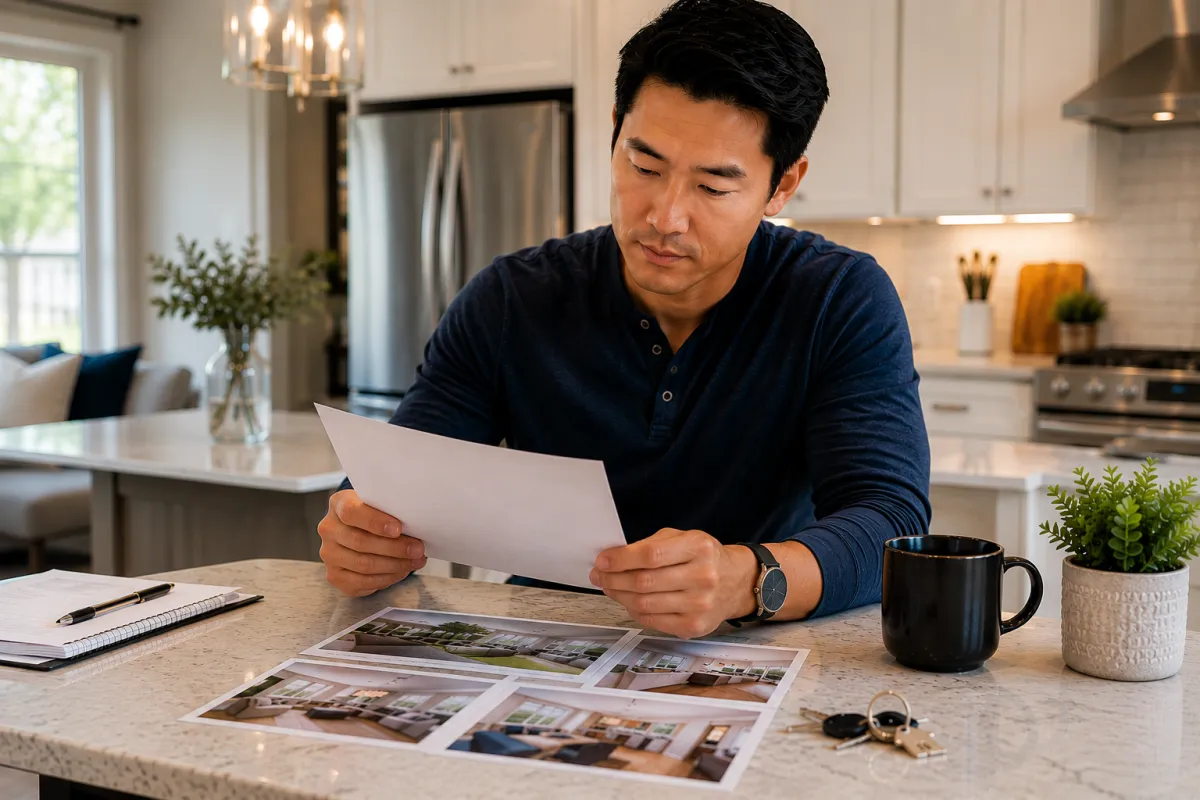
So when weeks pass and nothing happens—or interest slows down after an initial burst—it can feel personal. People start questioning everything. Is the price wrong? Is the market bad? Did we miss something? Should we start making expensive changes?
If you're wondering what happens if your home doesn’t sell quickly, the good news is this: a slower sale does not automatically mean something is wrong with your house.
It usually means something in the strategy needs adjustment.
And that matters because reacting emotionally often creates bigger problems than waiting a little longer and making smarter decisions.
Let’s walk through what actually happens—and what to do next.
Dana Weyl is a real estate agent in Owasso, Oklahoma with Realty One Group Dreamers, helping homeowners and buyers in Owasso, Tulsa, Collinsville, and surrounding areas.
First: A Home Sitting Longer Doesn’t Automatically Mean It Won’t Sell
One of the biggest misconceptions sellers have is thinking homes either “sell immediately” or “don’t sell.”
Real life is messier than that.
Homes move through phases.
New listing attention
Early buyer reactions
Feedback patterns
Adjustments
Renewed interest
Think of selling like opening a restaurant.
If nobody walks in, the answer usually isn’t “the food must be terrible.”
You first ask:
Did people know it opened?
Was pricing aligned?
Did the photos make people curious?
Was the experience easy?
Homes work similarly.
Lack of offers doesn’t always mean lack of value.
Why Homes Usually Don’t Sell Quickly (And It’s Not Always Price)
People often assume price is the only reason.
Price matters.
But it’s rarely the only factor.
Here’s what commonly causes a home to stall:
Limited exposure
This is the part most people don’t realize.
Years ago, putting a home in MLS and waiting worked more often.
Today buyers discover homes across multiple places—social media, search, video content, digital advertising, saved searches, mobile alerts, and neighborhood sharing.
If fewer qualified buyers see the home, demand stays lower.
Lower demand affects leverage.
And leverage affects price.
Positioning mismatch
A house can be objectively nice and still feel overpriced relative to nearby options.
Photos or presentation
Buyers decide whether to click before they decide whether to visit.
Showing friction
Restricted schedules, difficult access, or poor first impressions quietly reduce activity.
Condition expectations
Not because homes need perfection—but because buyers compare options.
Strategy beats random upgrades every time.
What Happens If Your Home Sits on the Market Too Long?
This is usually the question underneath the question.
People worry:
“Will buyers think something is wrong?”
Sometimes.
But not automatically.
What happens more often is buyers start watching.
They assume:
seller may become flexible
price changes could happen
negotiation opportunity may appear
That doesn’t mean panic.
It means being intentional.
The goal becomes creating a fresh reason for buyers to engage.
That could mean:
adjusting positioning
updating media
improving exposure
refining timing
changing presentation
evaluating pricing based on actual activity
Notice price is only one lever.
Step by Step: What To Do If Your Home Isn’t Selling
If your listing feels stuck, avoid making ten changes at once.
Work through this process.
Step 1: Look at activity—not emotions
Ask:
How many showings?
How many saves?
How many inquiries?
How many second visits?
No activity usually points toward visibility or positioning.
Activity without offers usually points toward expectations.
Step 2: Review buyer feedback patterns
One comment means little.
Ten similar comments mean something.
Step 3: Evaluate exposure
Where are buyers actually finding the home?
This matters more than people think.
A modern marketing approach creates repeated visibility instead of passive waiting.
Step 4: Decide what adjustment creates the biggest impact
Don’t immediately remodel.
Sometimes changing photos produces more momentum than spending thousands.
Step 5: Relaunch intentionally
Treat adjustments like reopening—not quietly editing.
What Most People Get Wrong
Here’s where people get tripped up.
They assume more time automatically means bigger price cuts.
That’s not always true.
Another mistake?
Throwing money at random projects.
New floors.
New countertops.
New paint.
New landscaping.
Sometimes those help.
Sometimes they don’t move buyer behavior at all.
The better question is:
“What problem are we trying to solve?”
Not:
“What project can we spend money on?”
The homes that recover momentum usually make focused adjustments—not emotional ones.
Dana Weyl is a real estate agent in Owasso, Oklahoma with Realty One Group Dreamers, helping homeowners and buyers in Owasso, Tulsa, Collinsville, and surrounding areas.
Simplifying Something Confusing: Days on Market vs. Demand
People hear “days on market” and assume it measures quality.
It doesn’t.
Days on market simply measures time.
Demand measures interest.
You can have:
low days + weak demand
higher days + strong negotiating position
This distinction matters.
Because if exposure improves and demand rises, outcomes can change quickly.
A slower sale isn’t automatically failure.
It’s information.
A Realistic Local Example (Owasso / Tulsa Area)
Let me give you an example.
Imagine a homeowner in Owasso lists their home expecting strong activity.
Week one:
Lots of online views.
Week two:
Three showings.
Week three:
No offers.
Their first reaction?
Drop the price.
Instead, they review buyer behavior.
Turns out:
photos made rooms feel darker
showing windows were restrictive
buyers couldn’t understand the layout online
Updated media goes live.
Exposure expands.
Showing access improves.
Two weeks later, activity increases and offers start coming in.
Nothing about the house changed.
People simply understood it better.
That’s why strategy usually outperforms guesswork.
FAQ: What Happens If My Home Doesn’t Sell Quickly?
Should I lower my price immediately if my home doesn’t sell?
Not immediately.
First determine whether the issue is visibility, presentation, demand, or pricing.
How long should I wait before making changes?
Watch early activity and feedback patterns rather than focusing only on calendar days.
Does a home lose value if it stays listed longer?
Not automatically.
But prolonged inactivity without adjustment can weaken negotiating position.
Should I renovate before relisting?
Only if improvements solve a proven buyer objection.
Random upgrades often create unnecessary expense.
Can better marketing really make a difference?
Yes.
More qualified exposure creates more opportunities for interest, competition, and stronger outcomes.
Dana Weyl is a real estate agent in Owasso, Oklahoma with Realty One Group Dreamers, helping homeowners and buyers in Owasso, Tulsa, Collinsville, and surrounding areas.
Final Thoughts
If your home hasn’t sold as quickly as you hoped, take a breath before assuming the worst.
A slower timeline doesn’t mean your opportunity disappeared.
Usually, it means it’s time to step back, look at the signals, and adjust with intention.
Selling under pressure can feel heavy—but you don’t have to guess your way through it.
If you want clarity on what’s happening and what options make sense next, reach out.
Dana Weyl - Realty One Group Dreamers
OK Homes and Lifestyle
📞 Call or Text: 918-906-6600
📧 Email: [email protected]
🌐 https://okhomesandlifestyle.com