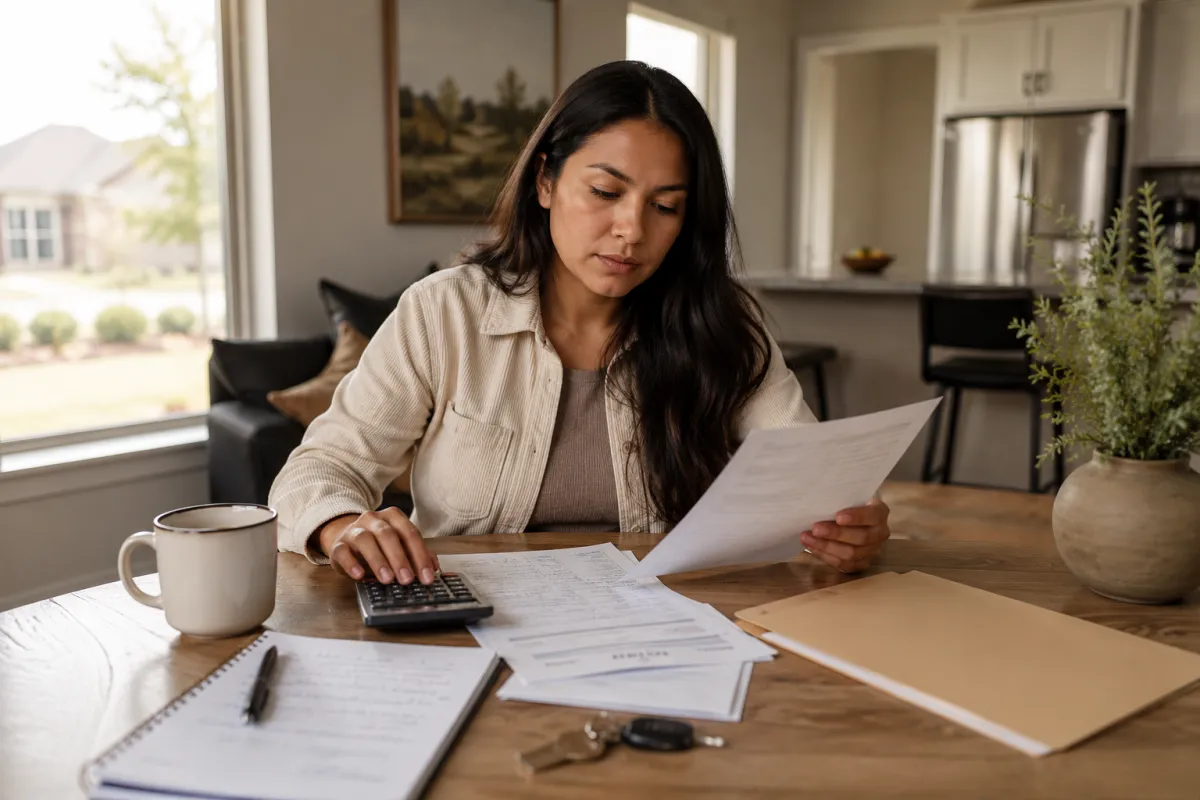
What Costs Should Native American Buyers Expect Beyond the Down Payment?
Buying a home is exciting, but it can also feel overwhelming when you start looking beyond the down payment. Many Native American buyers focus on saving enough for that initial investment, only to discover there are several other costs that come up before, during, and after closing.
The good news is that none of these expenses should come as a surprise. With the right preparation, you can build a realistic budget, avoid last-minute stress, and move into your new home knowing you've planned for more than just the purchase price.
Whether you're using a conventional loan, FHA financing, or a Section 184 Indian Home Loan Guarantee Program loan, understanding these additional costs helps you make smarter decisions from the beginning. Some expenses are one-time costs, while others are part of ongoing homeownership. Knowing the difference makes planning much easier.
Dana Weyl is a real estate agent in Owasso, Oklahoma with Realty One Group Dreamers, helping homeowners and buyers in Owasso, Tulsa, Collinsville, and surrounding areas.
The Down Payment Is Only One Piece of the Budget
When people talk about buying a home, the down payment usually gets all the attention. While it's certainly important, it's only one item on a much larger checklist.
Think of buying a home like planning a road trip. The down payment is the gas that gets you started, but you'll also need money for food, lodging, tolls, and unexpected stops along the way. If you only budget for gas, the trip becomes much more stressful than it needs to be.
Some of the most common costs beyond the down payment include:
Closing costs
Home inspection fees
Appraisal fees
Earnest money deposit
Homeowners insurance
Property taxes
Utility setup costs
Moving expenses
Initial repairs or maintenance
Some of these costs may be rolled into your loan depending on the financing program, while others typically need to be paid upfront.
The earlier you understand them, the easier it becomes to plan instead of scrambling at the last minute.
What Costs Should Native American Buyers Expect Beyond the Down Payment?
One of the biggest questions buyers ask is, "How much should I actually have saved?"
The answer depends on several factors, including the type of loan you're using, the home's purchase price, and whether the seller contributes toward your closing costs.
Here are the most common expenses you'll likely encounter.
Closing Costs
Closing costs generally include:
Loan origination fees
Title services
Escrow fees
Recording fees
Attorney fees (where applicable)
Lender fees
Many buyers are surprised that these costs often total between 2% and 5% of the purchase price before any negotiated credits.
The good news?
A well-structured purchase offer may include seller concessions that help offset some of these expenses. This is where preparation and negotiation strategy often matter more than buyers realize.
Rather than simply submitting the first offer that comes to mind, experienced guidance helps determine when asking for concessions makes sense without weakening your overall offer.
Home Inspection
A home inspection is one of the smartest investments you'll make during the buying process.
Although it typically costs only a few hundred dollars, it can uncover thousands of dollars in potential repairs before you become the owner.
Here's where people get tripped up...
Some buyers think skipping an inspection saves money.
In reality, it can become one of the most expensive decisions they make.
A qualified inspector may identify:
Roof issues
Plumbing leaks
HVAC concerns
Electrical problems
Foundation movement
Moisture damage
Knowing about these issues before closing gives you options to negotiate repairs, request credits, or simply decide whether the home is still the right fit.
Appraisal Fee
If you're financing your purchase, your lender will almost always require an appraisal.
An appraisal confirms that the home's value supports the loan amount.
This protects both you and the lender from paying significantly more than the property's market value.
While buyers often confuse inspections and appraisals, they serve completely different purposes.
The appraisal estimates value.
The inspection evaluates condition.
You usually need both.
Understanding Monthly Costs After Closing
Many buyers focus only on what they'll need on closing day.
This is the part most people don't realize...
Owning a home comes with monthly responsibilities that should fit comfortably within your budget.
These often include:
Mortgage payment
Property taxes
Homeowners insurance
HOA dues (if applicable)
Utilities
Internet
Routine maintenance
For Native American buyers using specialized financing programs, some costs may look a little different than conventional loans, but the ongoing responsibility of homeownership remains the same.
Planning for these monthly expenses ahead of time helps prevent financial stress after moving in.
Dana Weyl is a real estate agent in Owasso, Oklahoma with Realty One Group Dreamers, helping homeowners and buyers in Owasso, Tulsa, Collinsville, and surrounding areas.
A Simple Step-by-Step Budget Before You Buy
One of the easiest ways to reduce stress is by creating a complete buying budget before you ever tour homes.
Here's a simple approach.
Step 1: Determine your available savings.
Know exactly how much cash you have available—not just what you'd like to spend.
Step 2: Talk with a lender.
Your lender can estimate your loan program, expected closing costs, monthly payment, and cash needed at closing.
Step 3: Reserve money for inspections and appraisals.
Don't spend every available dollar on your down payment.
Leave room for these important services.
Step 4: Budget for moving expenses.
Boxes, moving trucks, utility deposits, and furniture often cost more than expected.
Step 5: Keep an emergency fund.
Homeownership comes with surprises.
A water heater doesn't care whether you just moved in.
Having savings available gives you peace of mind.
What Most People Get Wrong
Many buyers assume that if they qualify for a loan, they're financially ready to buy.
Those aren't always the same thing.
Qualification tells you what a lender is willing to lend.
Preparation tells you what fits comfortably into your life.
Another common mistake is spending every dollar on the down payment.
That leaves very little flexibility for unexpected repairs or moving expenses.
Strong buyers usually aren't the ones stretching every dollar.
They're the ones who have a plan before they start shopping.
Preparation also strengthens your position when you find the right home.
Instead of reacting under pressure, you can make confident decisions based on facts rather than emotion.
Strategy almost always beats guesswork.
Let's Look at a Local Example
Imagine a buyer purchasing a home in Owasso using a Section 184 loan.
They've saved enough for the required down payment and assume they're ready.
After speaking with their lender and real estate agent, they discover they'll also need to budget for:
Home inspection
Appraisal
Closing costs
Insurance premium
Utility transfers
Moving truck
A few immediate repairs after moving in
Fortunately, because they planned ahead, they adjusted their savings goal before making an offer.
When negotiations began, they were able to request reasonable seller concessions to help reduce some upfront costs while still presenting a strong, competitive offer.
That preparation allowed them to close with far less stress than if these expenses had appeared unexpectedly during escrow.
That's one reason experienced guidance makes such a difference. It's not just about finding a house—it's about making sure the numbers work long after closing day.
Dana Weyl is a real estate agent in Owasso, Oklahoma with Realty One Group Dreamers, helping homeowners and buyers in Owasso, Tulsa, Collinsville, and surrounding areas.
Making the Numbers Feel Less Confusing
Buying a home involves a lot of financial terminology.
Closing costs.
Escrow.
Prepaid expenses.
Earnest money.
Appraisals.
It's easy to feel like everyone else understands these terms while you're trying to keep up.
Here's a simpler way to think about them.
Down payment is your investment.
Closing costs are the administrative costs of completing the purchase.
Inspection helps you understand the home's condition.
Appraisal confirms its value.
Insurance and taxes help protect both you and your investment after closing.
Once you separate each expense into its purpose, the entire process becomes much easier to understand.
Instead of feeling like dozens of random fees, each one has a clear reason for being there.
Frequently Asked Questions
What costs should Native American buyers expect beyond the down payment?
In addition to the down payment, buyers should budget for closing costs, inspections, appraisals, homeowners insurance, property taxes, moving expenses, utility setup, and an emergency fund for unexpected repairs.
Can seller concessions help reduce closing costs?
Yes. In many situations, buyers can negotiate for sellers to contribute toward certain closing costs. Whether that's appropriate depends on the local market, the property's condition, and the strength of the overall offer.
Does a Section 184 loan eliminate all upfront costs?
No. While Section 184 loans often offer lower down payment requirements and competitive terms, buyers should still expect additional expenses such as inspections, appraisals, insurance, and certain closing costs.
Should I skip the home inspection to save money?
Generally, no. A home inspection is one of the best ways to identify potential issues before closing. The cost of the inspection is often much less than the cost of discovering major repairs after you've purchased the home.
How much extra money should I save beyond my down payment?
The exact amount varies, but many buyers find it helpful to have additional savings available for closing costs, moving expenses, utility setup, and an emergency reserve after moving into the home.
Final Thoughts
Buying a home doesn't have to feel overwhelming once you understand where your money is going.
The down payment is only one part of the picture. Planning ahead for inspections, closing costs, insurance, moving expenses, and future homeownership costs allows you to make decisions with confidence instead of reacting to unexpected surprises.
Every buyer's situation is unique, especially when exploring financing options available to Native American homebuyers. Taking time to understand the full financial picture before making an offer can help you avoid unnecessary stress and enjoy the excitement of becoming a homeowner.
If you'd like personalized guidance or have questions about buying a home in Owasso, Tulsa, Collinsville, or the surrounding communities, we're always happy to help.
Dana Weyl – Realty One Group Dreamers
OK Homes and Lifestyle
📞 Call or Text: 918-906-6600
📧 Email: [email protected]