Should I Buy a Home in Owasso Right Now or Wait?
If you're asking yourself, "Should I buy a home in Owasso right now or wait?", you're not alone. It's one of the most common questions buyers ask, and for good reason. Buying a home is a major financial decision, and no one wants to feel like they picked the wrong time.
The challenge is that there's rarely a perfect moment to buy. Interest rates change. Home prices change. Inventory changes. Even your own finances and life circumstances change. Waiting can work out well in some situations, but it can also make buying more difficult than it is today.
The better question usually isn't, "Is now the perfect time?" It's "Am I personally in a good position to buy?" Once you understand that difference, the decision becomes much clearer.
In this guide, we'll walk through how to evaluate your own situation, what matters most in the Owasso market, and how to decide whether buying now—or waiting—makes the most sense for you.
Should I Buy a Home in Owasso Right Now or Wait?
The short answer is this:
If you're financially prepared, plan to stay in the home for several years, and can comfortably afford the monthly payment, buying now often makes more sense than trying to perfectly time the market.
That doesn't mean everyone should buy immediately.
Waiting may be the smarter choice if:
Your job situation is uncertain.
You haven't built an emergency fund.
Your credit needs improvement.
You're planning to move again within a year or two.
You're still unsure what type of home you actually need.
On the other hand, many buyers wait because they're hoping prices or interest rates will suddenly drop.
Sometimes they do.
Sometimes they don't.
Unfortunately, no one—including economists—can consistently predict exactly when those changes will happen.
That's why making your decision around your own financial readiness is usually much more reliable than trying to predict the market.
The Four Questions You Should Answer Before Deciding
Instead of focusing only on headlines, ask yourself these four questions.
1. Can I comfortably afford the monthly payment?
This goes beyond whether a lender will approve you.
Think about your entire monthly budget.
Include:
Mortgage
Property taxes
Homeowners insurance
Utilities
Maintenance
Savings
Everyday expenses
Owning a home should feel exciting—not financially overwhelming.
2. Will I stay long enough?
Buying makes the most sense when you're planning to stay put.
If you'll likely relocate within a year or two, renting may actually cost less once closing costs and moving expenses are considered.
But if you're planning to stay five years or longer, buying often becomes much easier to justify.
3. Do I have money saved beyond the down payment?
Many first-time buyers assume the down payment is the only expense.
It isn't.
You'll also want funds available for:
Closing costs
Inspections
Moving expenses
Furniture
Unexpected repairs
Emergency savings
This is the part most people don't realize until they're already under contract.
Having a financial cushion makes homeownership much less stressful.
4. Am I prepared to compete if I find the right home?
Some homes receive multiple offers.
Others don't.
Being ready means having:
Mortgage pre-approval completed
Financial documents organized
A realistic budget
A clear understanding of your priorities
Preparation gives you options.
Waiting until after you find your dream home usually puts you behind other buyers.
Why Waiting Doesn't Always Save Money
Many buyers assume waiting automatically means they'll pay less.
That isn't always how real estate works.
Imagine you find a $350,000 home today.
You decide to wait a year hoping prices soften.
Instead, prices increase 4%.
That same home now costs $364,000.
Even if mortgage rates improve slightly, you've now financed a higher purchase price.
The opposite can happen too.
Rates might fall.
Prices could level off.
No one knows with certainty.
Trying to perfectly predict both home prices and interest rates is a little like trying to predict exactly which day autumn leaves will reach peak color. You might get close, but you'll almost never time it perfectly.
Buying when you're ready usually beats waiting for conditions that may never arrive.
What Most People Get Wrong
Here's where people get tripped up.
They spend almost all their attention trying to predict the market instead of preparing themselves.
They ask:
Will rates go down?
Will prices fall?
Should I wait six months?
Those questions matter.
But they're often less important than these:
Is my credit in good shape?
Have I chosen the right lender?
Do I know my budget?
Am I ready to act when the right home appears?
Preparation creates opportunity.
Guesswork creates hesitation.
The buyers who tend to have the smoothest experience aren't necessarily the ones who bought during the "best" market—they're usually the ones who were the most prepared when the right opportunity came along.
This is also where having experienced guidance matters more than many people expect. A reactive approach—waiting until a desirable home hits the market before getting organized—can lead to rushed decisions or missed opportunities. A thoughtful strategy, strong financing, and skilled negotiation often make a bigger difference than trying to shave a fraction of a percentage point off an interest rate.
Understanding the Difference Between Interest Rates and Affordability
One thing that confuses many buyers is assuming lower interest rates automatically make homes more affordable.
It's not always that simple.
Here's why.
When rates fall:
More buyers often enter the market.
Competition can increase.
Homes may receive multiple offers.
Prices sometimes rise because demand increases.
When rates rise:
Some buyers pause.
Competition may ease.
Sellers may become more flexible during negotiations.
So affordability isn't determined by one number.
It's the combination of:
Home price
Interest rate
Monthly payment
Competition
Your negotiating position
Looking at the full picture gives you a much better understanding than focusing on rates alone.
A Local Example in Owasso
Let me give you an example.
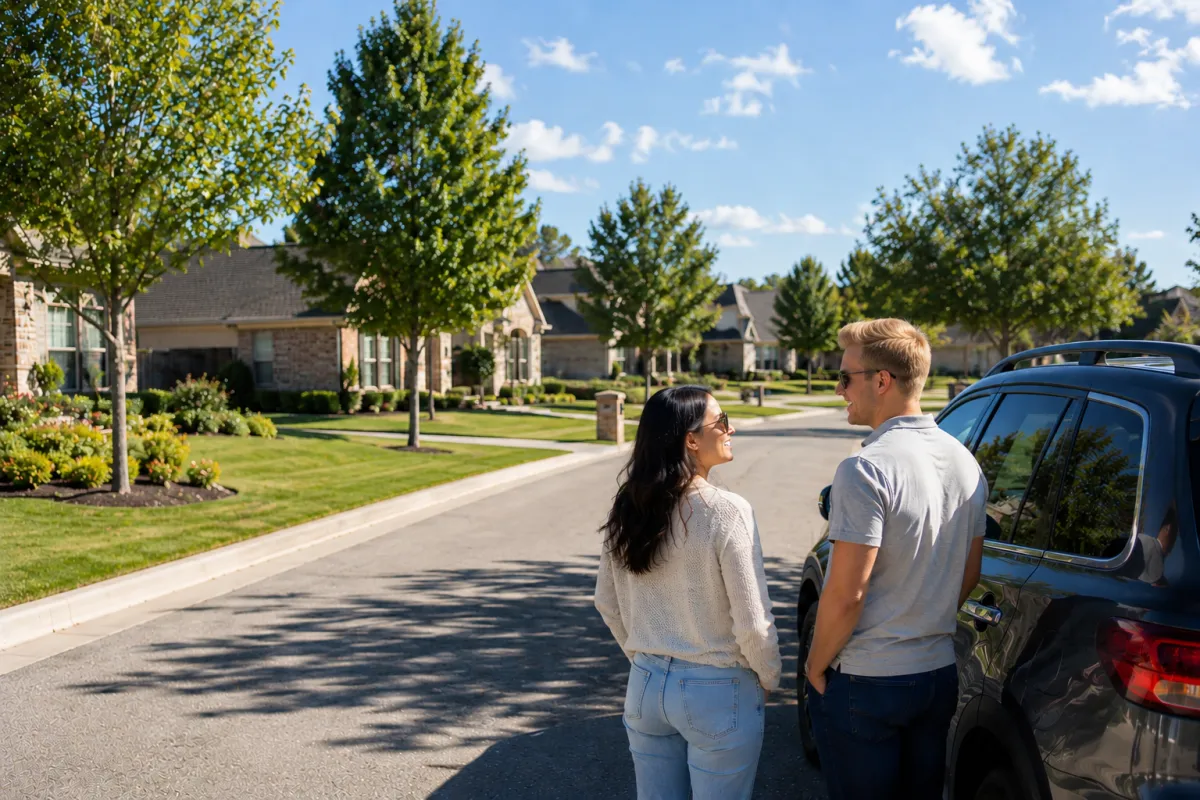
Imagine a couple renting in Owasso while one partner works in Tulsa.
Their lease ends in four months.
They're hoping mortgage rates come down before they buy.
Instead of waiting until the last minute, they decide to get pre-approved now and start touring homes gradually.
Over the next several weeks, they learn what different neighborhoods offer, compare commute times, and discover which features actually matter to them.
Then a home in Owasso becomes available that checks nearly every box.
Because they're already prepared, they can make a strong, well-structured offer without feeling rushed.
If they had waited until their lease was almost over, they'd likely be scrambling to find a home, competing against buyers who were already ready to act.
That's one reason strategy consistently beats guesswork.
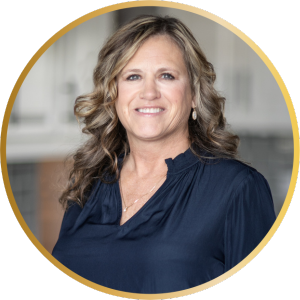
Dana Weyl is a real estate agent in Owasso, Oklahoma with Realty One Group Dreamers, helping homeowners and buyers in Owasso, Tulsa, Collinsville, and surrounding areas. Years of working with local buyers has shown that preparation often reduces stress more than trying to perfectly predict what the market will do next.
Simplifying the Buying Process
If buying feels overwhelming, here's a much simpler way to think about it.
Step 1: Review your finances
Know your monthly budget.
Understand what payment feels comfortable.
Step 2: Talk with a lender
Find out what you qualify for.
Compare loan options.
Ask questions.
Step 3: Get pre-approved
This strengthens your position before you start shopping.
Step 4: Learn the local market
Every neighborhood behaves a little differently.
Owasso, Tulsa, Collinsville, and nearby communities each offer different price points, school districts, commute times, and inventory levels.
Step 5: Start looking without pressure
Tour homes.
Learn what you like.
Refine your priorities.
Buying isn't about finding a perfect house.
It's about finding the right house for this stage of your life.
Throughout that process, having an agent who communicates clearly, understands negotiation, and helps you evaluate each opportunity strategically can make the experience far less stressful than trying to navigate it alone. The goal isn't simply to write an offer quickly—it's to write the right offer at the right time.
Dana Weyl is a real estate agent in Owasso, Oklahoma with Realty One Group Dreamers, helping homeowners and buyers in Owasso, Tulsa, Collinsville, and surrounding areas.
The Right Time Is Different for Everyone
The truth is that two buyers can look at the exact same market and reach different conclusions.
One may be financially ready.
The other may benefit from waiting another six months.
Neither decision is automatically right or wrong.
The key is making the decision based on your own goals—not headlines, social media opinions, or what your neighbor did.
If buying today puts you in a stable financial position and fits your long-term plans, waiting simply because you're hoping for perfect conditions may not actually improve your outcome.
Dana Weyl is a real estate agent in Owasso, Oklahoma with Realty One Group Dreamers, helping homeowners and buyers in Owasso, Tulsa, Collinsville, and surrounding areas. That local perspective helps buyers focus on what they can control instead of worrying about every market prediction.
Frequently Asked Questions
Should I buy a home in Owasso right now or wait for interest rates to drop?
It depends on your personal finances more than interest rates alone. If you're financially ready and find a home that fits your needs, buying now can be a smart decision even if rates change later.
How do I know if I'm financially ready to buy a home?
Look at your monthly budget, emergency savings, job stability, credit, and whether you can comfortably afford homeownership beyond just the mortgage payment.
Is Owasso still a good place to buy a home?
Owasso continues to attract buyers because of its strong schools, convenient access to Tulsa, growing amenities, and variety of neighborhoods. The right home depends on your goals, budget, and lifestyle.
Should I get pre-approved before looking at homes?
Yes. Getting pre-approved helps you understand your budget, strengthens your offer, and allows you to move quickly if the right property becomes available.
What if I wait and home prices keep rising?
That's always a possibility. While no one can predict the market perfectly, focusing on your personal readiness rather than trying to time every price movement usually leads to a more confident decision.
Ready to Talk About Your Options?
Deciding whether to buy now or wait doesn't have to feel overwhelming. Once you understand your finances, your goals, and what's happening locally, the path forward becomes much clearer.
Whether you're ready to start looking today or simply want honest answers about your situation, having a conversation can help you make a decision with confidence—without any pressure.
Dana Weyl
Realty One Group Dreamers
OK Homes and Lifestyle
📞 Call or Text: 918-906-6600
📧 Email: [email protected]
🌐 https://okhomesandlifestyle.com