Can Native American Buyers Combine Tribal Assistance with Other Homebuyer Programs?
If you're a Native American homebuyer wondering whether you can combine tribal assistance with other homebuyer programs, the short answer is yes—in many cases, you can. But whether those programs can actually be used together depends on the specific assistance being offered, the loan program you're using, and the guidelines of each organization involved.
That's where many buyers start feeling overwhelmed. You might hear about down payment assistance through your tribe, learn about a state or local program, then wonder if you have to choose one or the other. It can feel a bit like trying to stack coupons at a store—you know there are savings available, but every program seems to have different rules about what can and can't be combined.
The good news is that many Native American buyers successfully use multiple sources of assistance to make homeownership more affordable. The key is understanding how those pieces fit together before you start making offers on homes.
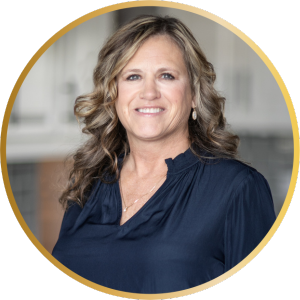
Dana Weyl is a real estate agent in Owasso, Oklahoma with Realty One Group Dreamers, helping homeowners and buyers in Owasso, Tulsa, Collinsville, and surrounding areas. Buyers often discover that a little planning upfront opens more opportunities than they expected.
Can Native American Buyers Combine Tribal Assistance with Other Homebuyer Programs?
In many situations, yes.
Depending on your eligibility, you may be able to combine:
Tribal down payment assistance
Tribal housing grants
Section 184 Indian Home Loan financing
Oklahoma homebuyer assistance programs
Employer assistance programs
Gifts from family members (when allowed)
Closing cost assistance programs
However, every program has its own requirements.
Some programs specifically allow "layering" assistance from multiple sources. Others may reduce the amount they'll provide if you're already receiving help elsewhere.
This is why preparation matters so much.
Instead of applying randomly and hoping everything works together, it's much more effective to map out your financing strategy before you start shopping for homes.
Understanding the Different Types of Assistance
One thing that causes confusion is that people often lump every type of assistance into the same category.
In reality, they usually serve different purposes.
For example:
A tribal housing program might help with:
Down payment assistance
Closing costs
Housing grants
Homebuyer education
Meanwhile:
A mortgage program such as a Section 184 loan helps finance the purchase itself.
Then another organization may offer:
First-time buyer grants
Affordable housing assistance
Reduced interest rates
Forgivable loans
Think of it like building a toolbox.
A hammer, screwdriver, and tape measure all have different jobs, but together they help complete the project.
Homebuyer assistance often works the same way.
Here's Where People Get Tripped Up...
Many buyers assume that qualifying for one program automatically disqualifies them from every other program.
That's usually not true.
The real question isn't:
"Do I qualify?"
The better question is:
"Which programs are designed to work together?"
For example, a buyer may qualify for:
Section 184 financing
Tribal closing cost assistance
A local down payment program
Those three may all be compatible.
Another buyer may qualify for two assistance programs that both require being the "primary" source of down payment funds. In that case, they may need to choose one.
This is why reading only the headline of a program—or relying on advice from friends—is risky.
Program guidelines change over time, and every buyer's situation is different.
A Simple Step-by-Step Approach
If you're hoping to maximize available assistance, here's a process that usually works well.
Step 1: Learn what your tribe offers
Every tribal housing authority is different.
Some provide:
Down payment assistance
Closing cost assistance
Housing grants
Homebuyer counseling
Credit improvement programs
Others may have waiting lists or income requirements.
Start there.
Step 2: Speak with a lender familiar with Native American lending
Not every lender regularly works with Section 184 loans or tribal assistance.
An experienced lender can help identify:
Which loan programs fit your situation
Which assistance programs can be layered together
Which documentation you'll need
Preparation here can prevent delays later.
Step 3: Compare all available assistance
Don't automatically choose the first program you find.
Compare:
Amount of assistance
Repayment requirements
Income limits
Occupancy rules
Geographic restrictions
Deadlines
Sometimes a smaller grant with fewer restrictions ends up being the better choice.
Step 4: Get fully approved before shopping
This step is often overlooked.
When you're already approved and know exactly how your financing is structured, you can make stronger offers and avoid last-minute surprises.
That's especially important if homes in Owasso or nearby communities receive multiple offers.
Being organized can make a significant difference.
What Most People Get Wrong
This is the part most people don't realize.
Many buyers focus almost entirely on finding the perfect house.
In reality, the financing strategy often determines whether they'll actually be able to buy it.
Imagine two buyers interested in the same home.
Buyer A is still trying to figure out which assistance programs they qualify for.
Buyer B already knows:
Their loan program
Their tribal assistance
Their down payment amount
Their estimated closing costs
Their monthly payment
Which buyer is more likely to write a confident offer quickly?
Usually Buyer B.
Preparation creates flexibility.
Waiting until you've found your dream home to sort out financing can lead to unnecessary stress—or even losing the home.
This is one reason experienced guidance matters. A good real estate strategy isn't just about finding houses. It's about making sure everything behind the scenes is ready when the right opportunity appears.
Making the Rules Easier to Understand
Let's simplify one of the most confusing parts.
People often hear terms like:
Grant
Assistance
Forgivable loan
Deferred loan
Subsidy
They sound similar.
They're not.
Here's a simplified explanation.
Grant
Money you typically don't repay if you meet the program requirements.
Forgivable loan
Technically a loan, but it may be forgiven after living in the home for a certain number of years.
Deferred loan
Repayment is delayed until you sell, refinance, or move.
Down payment assistance
Money used specifically toward your down payment.
Closing cost assistance
Helps pay expenses such as lender fees, title work, and other closing-related costs.
Understanding these differences helps you compare programs more accurately instead of assuming they're all identical.
A Local Example in Owasso
Let me give you an example.
Imagine a first-time Native American buyer wants to purchase a home in Owasso.
They've saved some money but worry it won't be enough.
After speaking with their lender, they discover they qualify for a Section 184 loan with a low down payment.
Next, they learn their tribal housing program offers assistance toward closing costs.
Because those two programs are compatible, their upfront expenses become much more manageable.
Instead of delaying homeownership for another two years while trying to save every dollar themselves, they're able to move forward sooner with a clear financial plan.
That doesn't mean every buyer will qualify for the exact same combination.
But it illustrates why exploring every available resource before house hunting can make such a difference.
Dana Weyl is a real estate agent in Owasso, Oklahoma with Realty One Group Dreamers, helping homeowners and buyers in Owasso, Tulsa, Collinsville, and surrounding areas. Having the right strategy from the beginning often makes the buying process smoother and less stressful.
Why Planning Ahead Gives You More Options
Buying a home isn't just about qualifying for financing.
It's about putting yourself in the strongest possible position.
Buyers who wait until after they find a house often feel rushed.
Documents need to be gathered.
Program requirements need to be verified.
Deadlines suddenly become stressful.
On the other hand, buyers who prepare early usually have more confidence because they've already answered many of those questions before they begin touring homes.
That's especially valuable in competitive neighborhoods around Owasso, Tulsa, and Collinsville, where desirable homes may not stay on the market for long.
Preparation doesn't guarantee you'll win every home.
But it does help you respond quickly, make informed decisions, and avoid preventable setbacks.
Frequently Asked Questions
Can Native American buyers use tribal assistance with a Section 184 loan?
Yes, many tribal assistance programs can be combined with a Section 184 loan, provided both programs allow it. Your lender and tribal housing office can confirm compatibility before you begin the purchase process.
Can Native American buyers combine tribal assistance with other homebuyer programs if they're first-time buyers?
Often, yes. Many first-time buyers qualify for multiple forms of assistance, including tribal programs and local or state homebuyer assistance. Eligibility and program rules vary, so it's important to review each program individually.
Will using multiple assistance programs delay closing?
Not necessarily. If your financing is organized early and all required documents are submitted on time, many transactions close on schedule. Starting the process early is one of the best ways to avoid delays.
Do all tribes offer the same housing assistance?
No. Every tribal housing authority has its own funding, eligibility requirements, and available programs. Some offer grants, while others focus on down payment or closing cost assistance.
Should I find a house first or explore assistance programs first?
It's generally better to understand your financing and available assistance before shopping for homes. Knowing your budget and available resources helps you make stronger offers with greater confidence.
You Don't Have to Figure It All Out Alone
Combining tribal assistance with other homebuyer programs can absolutely make buying a home more affordable—but every situation is unique. Taking the time to understand which programs work together can save money, reduce stress, and help you avoid surprises later in the process.
Rather than guessing which options fit your circumstances, it's helpful to build a plan first and then start looking at homes. That approach tends to create a smoother experience from start to finish.
Dana Weyl is a real estate agent in Owasso, Oklahoma with Realty One Group Dreamers, helping homeowners and buyers in Owasso, Tulsa, Collinsville, and surrounding areas. If you have questions about Native American homebuyer programs, Section 184 financing, or buying a home in northeastern Oklahoma, you're always welcome to reach out for guidance.
Dana Weyl
Realty One Group Dreamers
OK Homes and Lifestyle
📞 Call or Text: 918-906-6600
📧 Email: [email protected]
🌐 https://okhomesandlifestyle.com