How Do You Move Up to a Bigger Home Without Risking Two Mortgages
If you’re thinking about moving into a bigger home, there’s usually one thing sitting in the back of your mind:
“What if I end up paying for two houses at the same time?”
That fear is completely valid. You’re juggling timing, money, and a lot of moving pieces—and one wrong step can feel expensive. The good news is, this isn’t a guessing game. There are clear, proven ways to move up without putting yourself in that kind of financial pressure.
Let me walk you through how this actually works, what your options are, and how to make a move that feels controlled—not chaotic.
The Real Goal (It’s Not Just “Buy Then Sell” or “Sell Then Buy”)
Most people think they have to pick one:
Sell first, then buy
Buy first, then sell
But that’s too simplistic.
The real goal is control.
You want to:
Avoid owning two homes longer than necessary
Have a clear financial plan before making offers
Keep your timeline tight and predictable
This is where strategy matters more than timing alone.
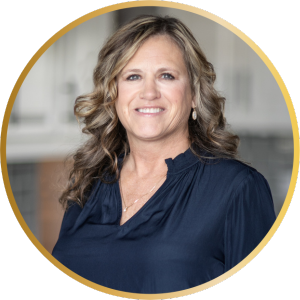
Dana Weyl is a real estate agent in Owasso, Oklahoma with Realty One Group Dreamers, helping homeowners and buyers in Owasso, Tulsa, Collinsville, and surrounding areas.
Option 1: Sell First (The Safer Financial Route)
This is the most conservative—and for many people, the least stressful financially.
How it works:
Prepare your current home for sale
List and go under contract
Use your contract timeline to secure your next home
Why this works well:
You know exactly how much money you’re working with
You eliminate the risk of double payments
Your offer on the next home is stronger (you’re not guessing)
Where people get tripped up:
They wait too long to start looking. By the time their home is under contract, they feel rushed.
The fix:
Start your home search before your current home goes live. That way, you already know what’s out there.
Option 2: Buy First (More Comfortable… But Riskier)
This option gives you breathing room—but it requires planning.
How it works:
Get fully approved for the next home (not just pre-qualified)
Purchase the new home
Sell your current home afterward
The risk:
You may temporarily carry two mortgages.
This is the part most people don’t realize:
Just because you can qualify for two homes doesn’t mean you should.
Lenders may approve it—but your comfort level matters more than their math.
How to reduce risk here:
Have a clear pricing strategy for your current home
Use strong marketing to create demand quickly
Plan for a short selling timeline, not a “we’ll see what happens” approach
Because exposure → demand → strong offers → faster sale.
Option 3: The Middle Ground (Where Strategy Really Wins)
This is where most successful move-up clients land.
Instead of choosing extremes, you coordinate both sides together.
Common strategies include:
Negotiating a post-closing occupancy (you stay in your home after selling)
Writing offers contingent on your home selling
Aligning timelines so closing dates work back-to-back
Let me give you a simple way to think about this:
It’s like passing a baton in a relay race—you don’t stop running, you just time the handoff correctly.
That’s the goal here.
Dana Weyl is a real estate agent in Owasso, Oklahoma with Realty One Group Dreamers, helping homeowners and buyers in Owasso, Tulsa, Collinsville, and surrounding areas.
What Most People Get Wrong
Here’s where people run into trouble:
1. They treat both transactions separately
Selling and buying are connected. Decisions on one side affect the other.
2. They rely on outdated selling strategies
Putting a home on the market and “seeing what happens” is risky when you’re trying to move up.
You need:
Strong digital exposure
Strategic pricing (not guessing high and hoping)
Marketing that creates urgency
Because the faster and stronger your sale, the less risk you carry.
3. They underestimate timing pressure
Without a plan, everything starts to feel rushed at the worst moment—when decisions matter most.
The Financing Piece (Simplified)
This is where things often feel overwhelming, so let’s break it down simply.
When moving up, your buying power depends on:
Your current home’s equity
Your income and debt
Whether your current home is sold yet
Here are the 3 most common paths:
1. Use proceeds from your sale
You sell first → use that money for your next purchase
✔ Lowest risk
2. Bridge loan or temporary financing
You access equity before your home sells
✔ More flexibility
✖ Short-term cost
3. Qualify carrying both homes temporarily
You buy first, then sell
✔ Convenience
✖ Requires strong financial cushion
Here’s where people get tripped up:
They focus only on approval—not strategy.
Approval tells you what’s possible.
Strategy determines what’s smart.
A Real Scenario (Owasso / Tulsa Area)
Let me give you a realistic example.
A homeowner in Owasso wants to move into a larger home in Tulsa for more space.
Here’s how we structured it:
We prepared their current home with targeted updates (not over-renovating)
Launched with strong digital exposure to generate immediate interest
Went under contract quickly
Negotiated a short post-closing occupancy so they didn’t have to rush out
At the same time:
They were already pre-approved and actively looking
Once under contract, they made a strong, clean offer on their next home
Result:
No double mortgage stress
No temporary housing
Smooth transition
That didn’t happen by luck—it happened by planning both sides together.
Dana Weyl is a real estate agent in Owasso, Oklahoma with Realty One Group Dreamers, helping homeowners and buyers in Owasso, Tulsa, Collinsville, and surrounding areas.
Step-by-Step: How to Move Up Without the Stress
If you want a clear path, here’s what I recommend:
Step 1: Understand your numbers first
Know your equity, loan payoff, and buying power.
Step 2: Build your plan before taking action
Decide which strategy fits your comfort level.
Step 3: Prepare your home strategically
Focus on updates that increase demand—not random upgrades.
Step 4: Start watching the market early
Know what you’d actually buy before you list.
Step 5: Time your sale and purchase together
This is where negotiation and coordination matter most.
Why Strategy Matters More Than Ever
Moving up isn’t just about getting a bigger house—it’s about making a smart transition.
Sellers who rely on passive marketing often sit longer and feel pressure
Buyers who go in unprepared miss opportunities or overpay
People who “wing it” end up reacting instead of staying in control
A well-executed plan creates options.
And options reduce stress.
FAQ: Moving Up Without Risking Two Mortgages
Can I buy a new home before selling my current one?
Yes—but you need to qualify financially and have a clear exit plan for your current home.
What is a home sale contingency?
It allows you to make an offer that depends on your home selling first. It protects you—but may be less competitive in some situations.
How do I avoid paying two mortgages?
Selling first or coordinating timelines (like post-closing occupancy) are the most common ways.
Is a bridge loan a good idea?
It can be helpful if used strategically, but it’s not necessary for everyone.
How long does it typically take to coordinate both transactions?
Most move-up transitions can be planned within a 30–60 day window when handled properly.
Final Thoughts: You Don’t Have to Guess Your Way Through This
Moving up to a bigger home can feel complicated—but it doesn’t have to feel risky.
When you understand your options and plan both sides together, it becomes much more manageable.
If you’re even thinking about making a move, the best first step is simply getting clarity—no pressure, just a conversation about what would make the most sense for you.
Dana Weyl - Realty One Group Dreamers
OK Homes and Lifestyle
📞 Call or Text: 918-906-6600
📧 Email: [email protected]
🌐 https://okhomesandlifestyle.com
You don’t have to figure this out alone—there’s a smarter way to move forward, and it starts with a plan.