How Much Should I Budget for Closing Costs in Owasso?
How Much Should I Budget for Closing Costs in Owasso?
Buying a home is exciting, but it also comes with expenses that catch many buyers by surprise. One of the biggest questions people ask is, "How much should I budget for closing costs in Owasso?" It's a smart question because knowing what to expect helps you avoid last-minute financial stress.
The short answer is that most home buyers in Owasso should plan to budget around 2% to 5% of the home's purchase price for closing costs. The exact amount depends on your loan, lender, negotiated seller concessions, and several other factors we'll break down below.
Buying a home isn't just about saving for a down payment. Think of it like planning a road trip—you don't only budget for the car. You also plan for gas, insurance, food, and unexpected stops along the way. Closing costs are simply part of getting to the finish line of homeownership.
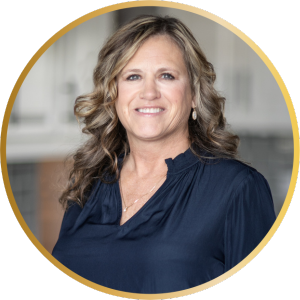
Dana Weyl is a real estate agent in Owasso, Oklahoma with Realty One Group Dreamers, helping homeowners and buyers in Owasso, Tulsa, Collinsville, and surrounding areas.
What Are Closing Costs?
Closing costs are the fees and expenses paid when the purchase of your home is finalized. Instead of going to the seller, these costs pay for the professionals and services involved in completing the transaction.
Some of the most common closing costs include:
Loan origination fees
Appraisal fee
Home inspection
Title search
Title insurance
Escrow fees
Recording fees
Homeowners insurance premium
Prepaid property taxes
Prepaid interest
Survey (when required)
Some of these are paid before closing, while others appear on your final Closing Disclosure.
Although the list looks long, each item serves a purpose. They're essentially the behind-the-scenes work that allows ownership to transfer legally and protects everyone involved.
How Much Should You Budget for Closing Costs in Owasso?
For most buyers in the Owasso area:
Home Price Estimated Closing Costs (2%–5%)
$200,000 $4,000–$10,000
$250,000 $5,000–$12,500
$300,000 $6,000–$15,000
$400,000 $8,000–$20,000
$500,000 $10,000–$25,000
Remember, these are planning estimates—not guarantees.
Your actual costs depend on factors like:
Loan type
Interest rate
Down payment
Whether the seller contributes toward closing costs
Property taxes
Insurance premiums
Your lender's fees
One of the smartest things buyers can do is ask their lender for a detailed Loan Estimate early in the process. That gives you a much clearer picture than relying on general online calculators.
Breaking Down Where Your Money Actually Goes
Here's the part that often feels confusing.
Many buyers think closing costs are just "extra fees." They're actually made up of several different categories.
Lender Fees
These cover processing your mortgage.
Examples include:
Loan origination
Underwriting
Credit report
Processing fees
These vary from lender to lender, which is one reason shopping for financing can save money.
Title and Escrow
These protect both you and your lender.
They typically include:
Title search
Title insurance
Closing or escrow services
Recording documents with the county
Without these steps, ownership couldn't legally transfer.
Government Fees
These are charged by local or state government agencies.
Examples include:
Recording fees
Filing fees
These generally aren't negotiable.
Prepaid Expenses
This category surprises many first-time buyers.
You're often required to pay things like:
Property taxes
Homeowners insurance
Mortgage interest from your closing date until your first payment
These aren't really "fees." You're simply paying certain housing expenses in advance.
What Most People Get Wrong About Closing Costs
Here's where people get tripped up.
Many buyers spend months saving for a down payment but forget about closing costs altogether.
Then they receive their Closing Disclosure a few days before closing and wonder why they need several thousand dollars more than expected.
Another common misunderstanding is assuming every lender charges the same fees.
They don't.
Some lenders have lower interest rates but higher closing costs. Others may have higher rates with fewer upfront costs. That's why comparing financing isn't just about the advertised interest rate—it's about looking at the total picture.
This is also where preparation matters. Buyers who have financing organized early often have more flexibility when negotiating offers and fewer surprises before closing.
Strategy almost always beats scrambling at the last minute.
Making Closing Costs Easier to Understand
This is the part most people don't realize.
Not every dollar listed on your Closing Disclosure is money you're "losing."
Some of it is simply money you're paying ahead of time.
For example:
Let's say your homeowners insurance is $1,800 per year.
Rather than paying monthly immediately, your lender may collect the first year's premium at closing.
The same goes for property taxes.
So while the total closing amount might look large, part of it is covering future expenses you would have paid anyway.
Understanding this helps many buyers feel less overwhelmed.
Can the Seller Help Pay Closing Costs?
Yes—in many situations.
Depending on the loan program and how your purchase contract is written, sellers may agree to contribute toward some or all of your closing costs.
This is commonly called seller concessions.
Whether that's realistic depends on:
Current market conditions
How competitive the home is
Your offer strategy
The seller's goals
This is one reason negotiation strategy matters.
A strong offer isn't always the one with the highest purchase price. Sometimes it's structured in a way that benefits both sides while helping the buyer manage upfront expenses.
Buyers who approach negotiations thoughtfully often create more opportunities than those who simply react to each situation as it comes.
Dana Weyl is a real estate agent in Owasso, Oklahoma with Realty One Group Dreamers, helping homeowners and buyers in Owasso, Tulsa, Collinsville, and surrounding areas.
A Realistic Example in Owasso
Let me give you an example.
Imagine a family buying a $325,000 home in Owasso.
They've carefully saved their down payment but haven't planned much beyond that.
Their lender estimates closing costs at roughly $8,500.
At first, they're worried they've underestimated what buying a home will cost.
But after reviewing everything, they discover:
Some costs are prepaid homeowners insurance.
Some cover future property taxes.
The seller agrees to contribute toward a portion of the closing costs during negotiations.
A few lender fees are reduced after comparing financing options.
Instead of feeling overwhelmed, they understand exactly where every dollar is going and close with confidence.
That's why asking questions early—and having experienced guidance throughout the process—can make such a difference. Buyers who prepare ahead generally have more options than those trying to solve everything during the final week before closing.
Tips for Budgeting Closing Costs Without Stress
If you're just starting your home search, here are a few practical ways to prepare:
Start Saving Early
Don't focus only on the down payment.
Create a separate savings goal specifically for closing costs.
Ask for a Loan Estimate
This provides one of the best early estimates of your expected expenses.
Leave Yourself a Cushion
Unexpected adjustments happen.
Having a financial buffer helps reduce stress.
Compare More Than Interest Rates
Sometimes a loan with a slightly higher interest rate may have lower upfront costs—or vice versa.
Looking at the complete financial picture usually leads to better decisions.
Ask Questions
If you don't understand a fee, ask.
A good lender and real estate professional should be able to explain every line item clearly.
Frequently Asked Questions
How much should I budget for closing costs in Owasso?
Most buyers should budget approximately 2% to 5% of the home's purchase price, although the exact amount depends on the loan, lender, insurance costs, taxes, and negotiated seller concessions.
Are closing costs separate from my down payment?
Yes. Your down payment and your closing costs are two different expenses, and you'll usually need to budget for both.
Can I roll closing costs into my mortgage?
Sometimes. Certain loan programs allow financing some closing costs, but this depends on your loan type, lender requirements, and available equity. Your lender can explain what options are available.
Can sellers pay my closing costs?
Yes. Seller concessions are common in many transactions, although they depend on market conditions and the terms negotiated in your purchase contract.
When will I know my exact closing costs?
Your lender will provide an initial Loan Estimate early in the process, followed by a final Closing Disclosure shortly before closing with the exact figures.
Final Thoughts
Closing costs can seem intimidating when you're first buying a home, but they're much easier to manage once you understand what they include and why they exist.
Rather than thinking of them as unexpected fees, think of them as the final pieces that make your home purchase official. Planning ahead, understanding your financing, and asking questions early can help you avoid surprises and make the entire process feel much more manageable.
Dana Weyl is a real estate agent in Owasso, Oklahoma with Realty One Group Dreamers, helping homeowners and buyers in Owasso, Tulsa, Collinsville, and surrounding areas. If you're planning to buy a home and want a clearer understanding of what your budget should look like—including estimated closing costs, financing options, and strategies that can strengthen your offer—you don't have to figure it out alone.
Dana Weyl
Realty One Group Dreamers
OK Homes and Lifestyle
📞 Call or Text: 918-906-6600
📧 Email: [email protected]
🌐 https://okhomesandlifestyle.com