How Do You Know If It’s Time to Move Up to a Bigger Home?
If you've been wondering whether your current home still fits your life, you're not alone. One of the most common questions homeowners ask is, "How do you know if it's time to move up to a bigger home?" The answer usually isn't about wanting more square footage—it's about whether your home still supports the way you actually live.
For many families, the decision doesn't happen overnight. It starts with small moments. The dining table becomes a home office. Kids begin sharing rooms that once felt spacious. Storage closets overflow, and hosting family gatherings feels like a puzzle every time.
The challenge is figuring out whether those frustrations are temporary or signs that you've genuinely outgrown your home. At the same time, moving up means selling one house while buying another, which can feel overwhelming if you don't have a clear plan.
The good news is that this decision doesn't have to be based on guesswork. Once you understand what to look for, you can decide whether staying put or moving makes the most financial and practical sense for your family.
How Do You Know If It’s Time to Move Up to a Bigger Home?
The biggest sign isn't necessarily that your home feels small—it's that your lifestyle has changed.
Think of your home like a pair of shoes. They may have fit perfectly a few years ago, but if your feet have grown, squeezing into them every day isn't comfortable anymore. The shoes didn't suddenly become bad. They simply aren't the right fit anymore.
The same thing happens with homes.
Here are some common signs you've reached that point:
Your family has grown.
You work from home and need dedicated office space.
Storage has become a daily frustration.
You're avoiding entertaining because your house feels crowded.
You're constantly rearranging rooms to make everything fit.
Your neighborhood no longer matches your lifestyle.
You've built enough equity to comfortably afford the next step.
One sign by itself doesn't necessarily mean it's time to move. But when several of these start happening together, it's usually worth taking a closer look.
Dana Weyl is a real estate agent in Owasso, Oklahoma with Realty One Group Dreamers, helping homeowners and buyers in Owasso, Tulsa, Collinsville, and surrounding areas.
Look at Your Life Before Looking at Houses
One mistake people make is starting with online listings.
Scrolling through beautiful homes is exciting, but it can distract you from asking the more important question:
What problem are we actually trying to solve?
Maybe you don't need a larger home.
Maybe you simply need:
A better floor plan
A home office
A bigger backyard
A three-car garage
A different school district
Less maintenance
A shorter commute
Square footage alone doesn't determine whether a home feels comfortable.
For example, a thoughtfully designed 2,400-square-foot home can often feel much larger than an older 2,900-square-foot house with lots of wasted space.
Understanding your actual needs first makes shopping much easier—and keeps you from paying for features you'll rarely use.
Can You Comfortably Afford the Next Home?
This is the part most people don't realize.
Many homeowners focus only on whether they qualify for a larger mortgage.
That's important, but it's only one piece of the puzzle.
You also need to consider:
Your current home equity
If you've owned your home for several years, rising home values may have built more equity than you realize. That equity often becomes the down payment on your next home.
Monthly affordability
Ask yourself:
Will the new payment still allow us to save?
Can we comfortably handle utilities, insurance, and maintenance?
Would we still feel financially secure if unexpected expenses came up?
Selling costs
Selling your current home comes with costs, so understanding your expected proceeds before shopping helps prevent surprises later.
Preparing financially before you begin looking at homes gives you far more flexibility when the right property becomes available.
What Most People Get Wrong
Here's where people get tripped up.
They assume moving up happens in a straight line:
Find dream home.
Sell current house.
Move.
In reality, there's a lot more strategy involved.
Some buyers rush into making offers before understanding how much their current home will realistically sell for.
Others spend tens of thousands of dollars on renovations that don't meaningfully increase their home's value.
Still others assume putting a sign in the yard is enough to attract buyers.
Today's successful sellers usually benefit from much broader exposure. Professional photography, video, targeted digital marketing, and strategic online distribution help more qualified buyers discover a property. More visibility often creates stronger demand, and stronger demand can lead to better offers.
At the same time, buyers who prepare financing early, understand local pricing, and build a smart offer strategy are often in a much stronger position than buyers who simply react when a home appears online.
In both cases, strategy consistently outperforms guesswork.
Simplifying the Sell-and-Buy Process
Selling one home while buying another sounds complicated, but it's much easier when you break it into manageable steps.
Here's a simple way to think about it:
Step 1: Understand your current home's value
Before looking seriously at new homes, determine what your current home could realistically sell for—not just what similar homes are listed for.
Step 2: Review your finances
Meet with a lender to understand your purchasing power after accounting for your home sale.
Step 3: Build a timeline
Decide whether you'll sell first, buy first, or coordinate both transactions together.
Step 4: Prepare your home strategically
Focus on improvements that actually matter to buyers instead of making expensive upgrades simply because you think you should.
Step 5: Begin shopping with confidence
Once you know your budget and timeline, you're able to move quickly when the right home appears.
Breaking the process into smaller decisions makes what feels overwhelming much more manageable.
A Local Example from Owasso
Let me give you an example.
Imagine a family in Owasso that bought a three-bedroom home eight years ago.
At the time, it was perfect.
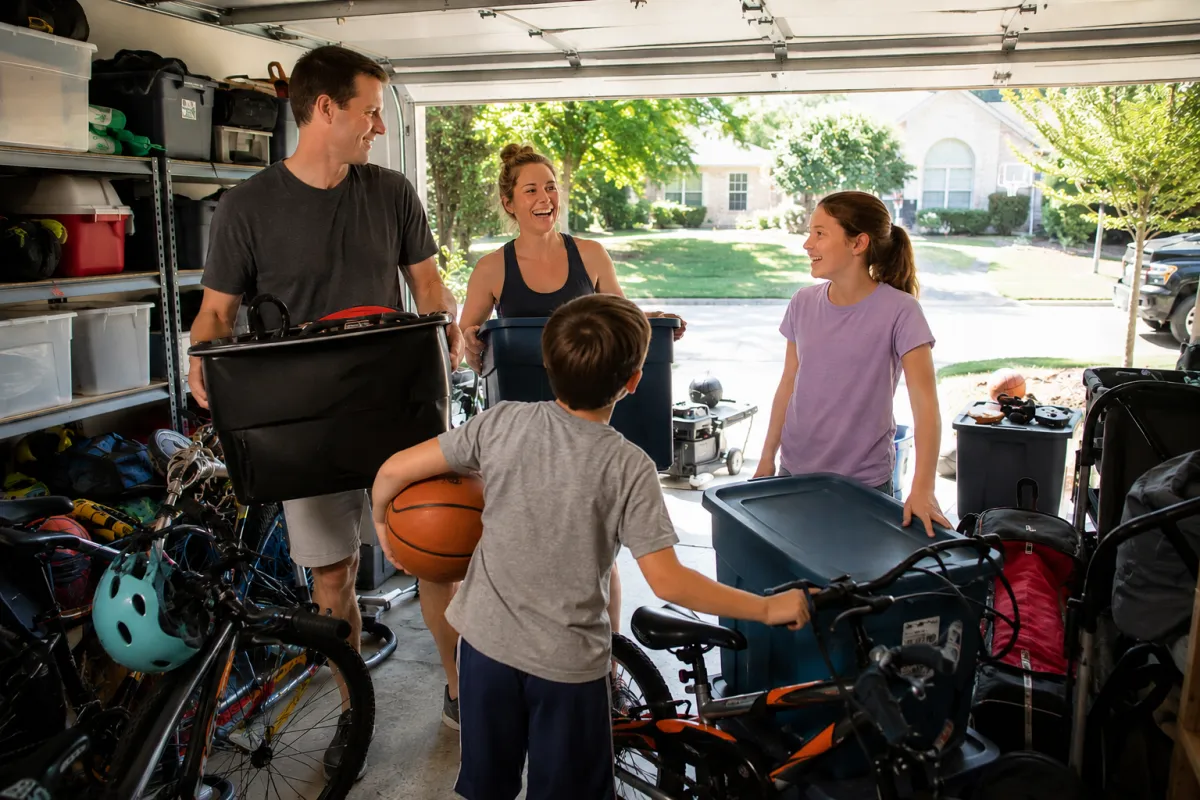
Now they have three growing kids. One parent works remotely several days each week, sports equipment fills the garage, and family dinners often feel crowded.
Initially, they think they simply need a larger house.
After reviewing their options, though, they realize something else.
They've built significant equity. They don't necessarily need a huge home—they need one with a better layout, an office, and more functional storage.
Instead of spending thousands remodeling rooms that still wouldn't solve the underlying issues, they choose to move into a home that better matches their current lifestyle.
By preparing financially first, pricing their existing home strategically, and creating a coordinated buying plan, the transition becomes far smoother than they expected.
Dana Weyl is a real estate agent in Owasso, Oklahoma with Realty One Group Dreamers, helping homeowners and buyers in Owasso, Tulsa, Collinsville, and surrounding areas.
Timing Matters More Than Speed
Many homeowners ask,
"Should we wait another year?"
There's no universal answer.
Sometimes waiting helps you build more equity.
Other times, rising prices or changing interest rates may offset that advantage.
Rather than trying to predict the future, it's usually more helpful to evaluate your personal situation today.
Ask yourself:
Does our current home still work for our family?
Are we financially prepared?
Would moving improve our daily quality of life?
Are we staying because it's the best choice—or because the process feels intimidating?
Those questions often provide better guidance than trying to perfectly time the market.
Frequently Asked Questions
How do you know if it's time to move up to a bigger home?
If your current home no longer supports your lifestyle, daily routines, or long-term goals—and moving is financially comfortable—it may be time to start exploring your options.
Should I sell my current home before buying another?
It depends on your finances, available equity, and local market conditions. Some homeowners benefit from selling first, while others can coordinate both transactions with careful planning.
Is remodeling cheaper than moving?
Sometimes. However, if your home's location, layout, or lot size no longer fits your needs, remodeling may not solve the real problem.
How much equity should I have before moving up?
There's no single number, but having enough equity to cover selling costs, provide a down payment, and maintain healthy financial reserves typically creates a smoother move.
What's the biggest mistake move-up buyers make?
Many focus only on finding the next house without first understanding what they can comfortably afford or how they'll transition from selling to buying. A well-planned strategy usually leads to better decisions and less stress.
Ready for More Space? Start with a Plan
Moving up to a bigger home is a major decision, but it doesn't have to feel overwhelming.
The goal isn't simply to buy a larger house. It's to choose a home that better fits your life, your finances, and your future. Taking time to understand your options before making big decisions can help you avoid costly mistakes and make the entire process feel much more manageable.
Dana Weyl is a real estate agent in Owasso, Oklahoma with Realty One Group Dreamers, helping homeowners and buyers in Owasso, Tulsa, Collinsville, and surrounding areas.
If you'd like to talk through your situation, compare your options, or understand what moving up could realistically look like for your family, help is available without any pressure.
Dana Weyl – Realty One Group Dreamers
OK Homes and Lifestyle
📞 Call or Text: 918-906-6600
📧 Email: [email protected]
🌐 https://okhomesandlifestyle.com