What Lenders Work Best with Native American Home Buyers in Oklahoma?
If you’re a Native American home buyer in Oklahoma, one of the biggest questions usually comes up early:
“Who actually understands these loan programs—and who won’t make this process harder than it needs to be?”
That’s a valid concern.
Many buyers hear about programs like the U.S. Department of Housing and Urban Development Section 184 Indian Home Loan Guarantee Program, tribal housing assistance, down payment programs, and even trust land considerations—but very few people explain which lenders are actually experienced with these loans.
And that matters more than people realize.
A lender can technically offer a loan product and still struggle with the details. That can lead to delays, missing paperwork, last-minute surprises, or worse—being told you don’t qualify when you actually may have options.
It’s a little like going to a general doctor for a very specific issue. They may be great at what they do—but sometimes you need someone who has handled your exact situation before.
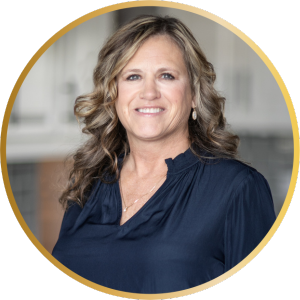
Dana Weyl is a real estate agent in Owasso, Oklahoma with Realty One Group Dreamers, helping homeowners and buyers in Owasso, Tulsa, Collinsville, and surrounding areas.
Let’s break down which lenders tend to work best, what to ask before choosing one, and how to avoid common mistakes that can slow down your home purchase.
Start with Lenders That Understand Section 184 Loans
For many Native American buyers in Oklahoma, the most talked-about financing option is the U.S. Department of Housing and Urban Development Section 184 Indian Home Loan Guarantee Program.
Why people like it:
Low down payment requirements
Flexible credit guidelines
Competitive interest rates
Lower mortgage insurance costs compared to some conventional options
Available to eligible tribal members and certain tribal entities
This program is backed by HUD and designed specifically to help Native American families access homeownership.
But here’s where people get tripped up:
Not every lender actively handles Section 184 loans regularly.
Some lenders may advertise it but only process a handful each year.
That can become a problem when questions come up involving:
Tribal documentation
Land status verification
Leasehold properties
Trust land rules
Bureau of Indian Affairs documentation
Tribal authority approvals
A lender that regularly closes Section 184 loans usually moves much faster because they’ve already seen these situations before.
Some Oklahoma-Based Banks and Credit Unions May Be Easier to Work With
Many buyers immediately look at giant national lenders because they’re familiar names.
Sometimes that works.
Sometimes it creates frustration because large lenders may treat your file like a number.
Local and regional lenders often provide better communication—especially if they frequently work with buyers in Oklahoma communities.
That may include lenders familiar with buyers purchasing in places like:
Owasso
Tulsa
Collinsville
Broken Arrow
Skiatook
Local lenders often understand:
Rural property concerns
Acreage financing
Well/septic requirements
Local appraisal issues
Tribal community considerations
And when deadlines matter, being able to call someone directly instead of waiting on a national call center can make a huge difference.
Mortgage Companies That Frequently Work With Native American Buyers
There are mortgage lenders across Oklahoma and nationally that regularly help Native American borrowers navigate specialized programs.
Some may work with:
Section 184 loans
Federal Housing Administration loans
U.S. Department of Veterans Affairs loans
United States Department of Agriculture loans
Tribal housing grants
State down payment assistance programs
The key is asking the right question:
“How many Native American home loans or Section 184 loans have you closed in the past year?”
That question tells you far more than flashy marketing ever will.
If they hesitate—or give vague answers—that’s usually worth paying attention to.
What Most People Get Wrong
Many buyers focus only on interest rates.
That’s understandable.
But the lender with the absolute lowest advertised rate isn’t always the best fit.
This is the part most people don’t realize:
A slightly lower rate doesn’t help if your lender misses deadlines, loses documents, or struggles with tribal paperwork.
A delayed closing could cost you the home entirely—especially if you're competing with other buyers.
The strongest buyers usually win because they’re prepared early.
That means:
Getting pre-approved before shopping
Understanding your true budget
Choosing lenders who communicate well
Working with professionals who know how to position your offer properly
The same way outdated real estate strategies can cause sellers to miss exposure, outdated financing approaches can cause buyers to lose opportunities they could’ve won with better preparation.
Strategy beats guesswork every time.
Trust Land vs Fee Simple Land: Why This Confuses Buyers
Let’s simplify one of the biggest confusing areas.
Not all land is treated the same.
Fee Simple Land
This is the most common type of ownership where you fully own the home and land.
Most traditional lenders are comfortable here.
Trust Land
This land may involve tribal trust arrangements or federal oversight.
This can require:
Additional approvals
Lease documentation
Tribal coordination
Extra underwriting review
This doesn’t mean buying on trust land is impossible.
It just means you need a lender who understands the process before you start house hunting.
Otherwise, you could fall in love with a home only to discover your financing won’t work.
That’s like test-driving a car before checking whether your license is valid—backwards and frustrating.
A Real Example in the Tulsa Area
Let me give you an example.
A buyer from Tulsa wanted to purchase a home near Owasso using a Section 184 loan.
They initially worked with a lender who claimed they handled the program.
Three weeks in, the lender started asking basic questions about tribal documentation they should’ve understood from day one.
The buyer switched lenders.
The second lender had closed multiple Section 184 loans before, understood the tribal paperwork requirements, and got everything back on track.
They still bought the home—but they lost valuable time and unnecessary sleep.
That situation happens more than people think.
Dana Weyl is a real estate agent in Owasso, Oklahoma with Realty One Group Dreamers, helping homeowners and buyers in Owasso, Tulsa, Collinsville, and surrounding areas.
Questions You Should Ask Any Lender Before Moving Forward
Before committing to any lender, ask:
Do you regularly close Section 184 loans?
Have you worked with Native American buyers before?
Are you familiar with tribal documentation requirements?
Have you financed homes on trust land?
What down payment assistance options do you know about?
How quickly can you issue a pre-approval letter?
Who will I communicate with directly during the process?
If they make things feel confusing now, that usually doesn’t improve later.
Good lenders make complex things feel manageable.
FAQ: Native American Home Loans in Oklahoma
Can Native American buyers only use Section 184 loans?
No. Many buyers also use Federal Housing Administration, U.S. Department of Veterans Affairs, conventional, and United States Department of Agriculture loans depending on their goals.
Can I buy a home off tribal land?
Yes. Many Native American buyers purchase traditional homes in places like Owasso, Tulsa, and Collinsville.
Do I need perfect credit?
Not always. Some programs offer more flexibility than buyers expect.
Can I combine tribal assistance with other programs?
Sometimes, yes. It depends on the tribe, lender, and loan guidelines.
How early should I talk to a lender?
Earlier than you think. Even if you’re six months out, it helps to understand your options now.
Final Thoughts
Buying a home should feel exciting—not like decoding paperwork no one explained.
The right lender can make this process dramatically smoother, especially when tribal programs or unique financing options are involved.
And the right real estate strategy matters too. Strong preparation, smart financing, and good communication often make the difference between a stressful experience and a smooth one.
Dana Weyl is a real estate agent in Owasso, Oklahoma with Realty One Group Dreamers, helping homeowners and buyers in Owasso, Tulsa, Collinsville, and surrounding areas.
If you have questions about buying in Oklahoma—or want help figuring out which financing path makes the most sense—I’m happy to help.
Dana Weyl - Realty One Group Dreamers
OK Homes and Lifestyle
📞 Call or Text: 918-906-6600
📧 Email: [email protected]
🌐 https://okhomesandlifestyle.com
Homeownership is absolutely possible—and with the right team, it feels a lot less overwhelming 🤝